Essential Skills for Successful Prepping Strategies
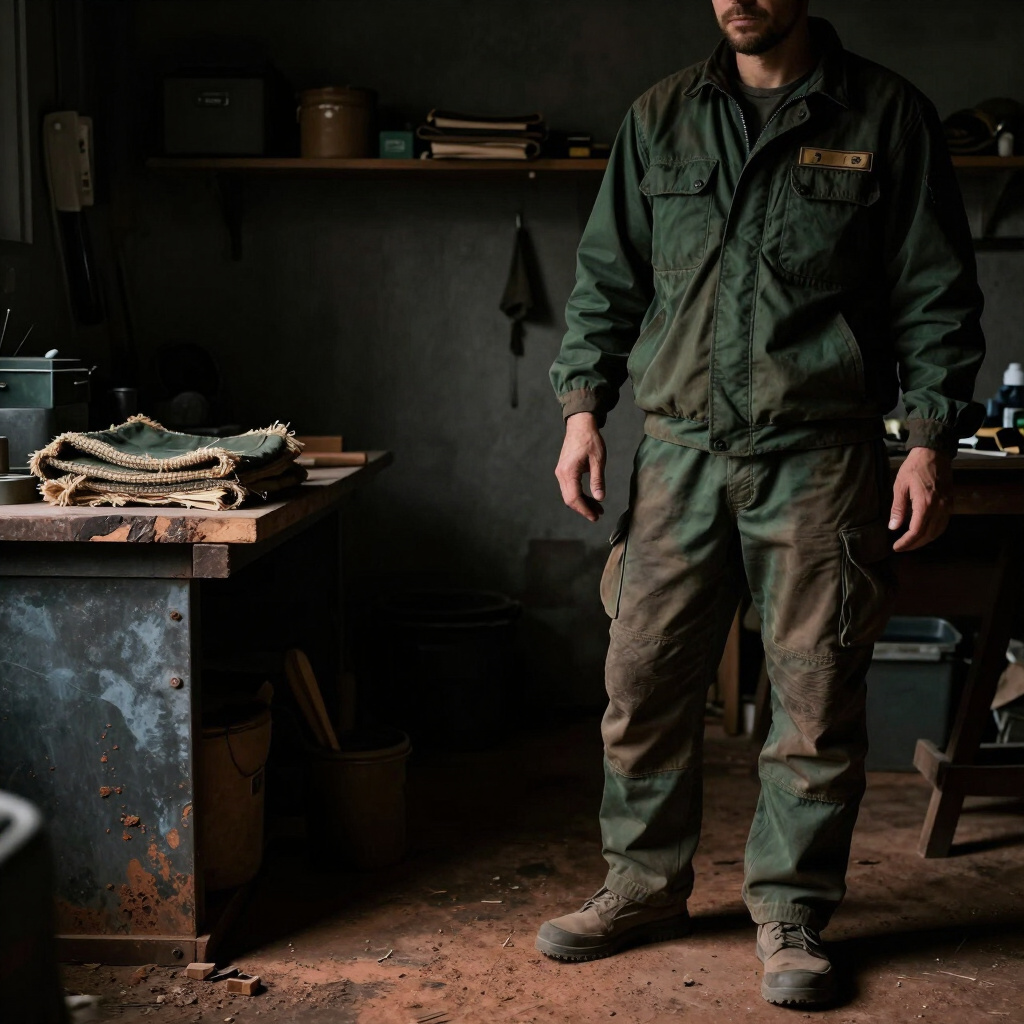
In a world where uncertainty seems to be the only constant, the importance of prepping cannot be overstated. Whether it's natural disasters, economic downturns, or unexpected emergencies, being prepared can mean the difference between chaos and control. But what does it take to be a successful prepper? This blog post will explore the essential skills you need to develop effective prepping strategies that ensure you and your loved ones are ready for whatever comes your way.

Understanding the Basics of Prepping
Before diving into specific skills, it's crucial to understand what prepping entails. Prepping is not just about stockpiling food and supplies; it’s a comprehensive approach to being self-sufficient and resilient in the face of adversity. Here are some foundational aspects of prepping:
Mindset: Cultivating a proactive and adaptable mindset is essential. This means being aware of potential risks and being willing to take action.
Planning: Effective prepping requires a well-thought-out plan. This includes identifying potential threats, assessing your resources, and creating a strategy for various scenarios.
Community: Building a network of like-minded individuals can provide support and resources. Community prepping can enhance your capabilities and knowledge.
Essential Skills for Prepping
1. Food Preservation Techniques
One of the cornerstones of prepping is food security. Knowing how to preserve food can help you maintain a sustainable food supply. Here are some techniques to consider:
Canning: This method involves sealing food in jars to prevent spoilage. It’s ideal for fruits, vegetables, and meats.
Dehydrating: Removing moisture from food extends its shelf life. Dehydrated fruits and vegetables can be stored for years.
Fermenting: This process not only preserves food but also enhances its nutritional value. Foods like sauerkraut and kimchi are great examples.
2. Basic First Aid and Medical Skills
In emergencies, access to medical care may be limited. Having basic first aid skills can be invaluable. Consider the following:
CPR and AED Training: Knowing how to perform CPR and use an Automated External Defibrillator can save lives.
Wound Care: Understanding how to clean and dress wounds can prevent infections.
Recognizing Symptoms: Being able to identify signs of common illnesses or injuries can help you respond effectively.
3. Self-Defense and Personal Safety
Personal safety is a critical aspect of prepping. Knowing how to protect yourself and your loved ones can provide peace of mind. Here are some skills to develop:
Situational Awareness: Being aware of your surroundings can help you avoid dangerous situations.
Self-Defense Techniques: Consider taking a self-defense class to learn how to protect yourself physically.
Emergency Communication: Establishing a plan for communication during emergencies can keep you connected with loved ones.
4. Navigation and Survival Skills
In a crisis, you may need to navigate unfamiliar terrain. Having survival skills can increase your chances of staying safe. Focus on these areas:
Map Reading: Learn how to read topographic maps and use a compass.
Shelter Building: Knowing how to construct a temporary shelter can protect you from the elements.
Fire Starting: Mastering various fire-starting techniques can provide warmth and a means to cook food.
5. Gardening and Sustainable Living
Growing your own food can significantly enhance your self-sufficiency. Here are some gardening skills to develop:
Soil Management: Understanding soil health is crucial for successful gardening. Learn about composting and soil amendments.
Crop Rotation: This practice helps maintain soil fertility and reduces pest problems.
Pest Control: Knowing how to manage pests organically can protect your garden without harmful chemicals.
Building Your Prepper Community
Prepping doesn’t have to be a solitary endeavor. Building a community can provide support, resources, and shared knowledge. Here are some ways to connect with others:
Local Meetups: Join local prepping groups or attend community events focused on emergency preparedness.
Online Forums: Participate in online discussions to share tips and learn from experienced preppers.
Skill Sharing: Organize workshops where members can teach each other valuable skills, from canning to self-defense.
Financial Preparedness
Financial stability is often overlooked in prepping discussions. Here are some strategies to consider:
Emergency Fund: Aim to save at least three to six months’ worth of living expenses in an easily accessible account.
Invest in Skills: Consider investing in courses that teach valuable skills, such as first aid or gardening.
Diversify Income: Explore side hustles or passive income opportunities to create financial resilience.
Mental and Emotional Resilience
Prepping is not just about physical skills; mental and emotional resilience is equally important. Here are some ways to strengthen your mindset:
Stress Management: Practice techniques such as meditation or deep breathing to manage stress effectively.
Scenario Planning: Visualize different emergency scenarios and how you would respond. This mental rehearsal can prepare you for real-life situations.
Support Systems: Maintain strong relationships with friends and family. Having a support network can help you cope during challenging times.
Conclusion
Successful prepping is a multifaceted endeavor that requires a diverse set of skills. From food preservation to self-defense, each skill contributes to your overall preparedness. By investing time in learning and practicing these essential skills, you can build a strong foundation for yourself and your family. Remember, the goal of prepping is not just survival; it’s about thriving in the face of uncertainty. Start small, stay committed, and take proactive steps toward a more prepared future.
By embracing these skills and fostering a community of support, you can navigate whatever challenges come your way with confidence and resilience.
Comments